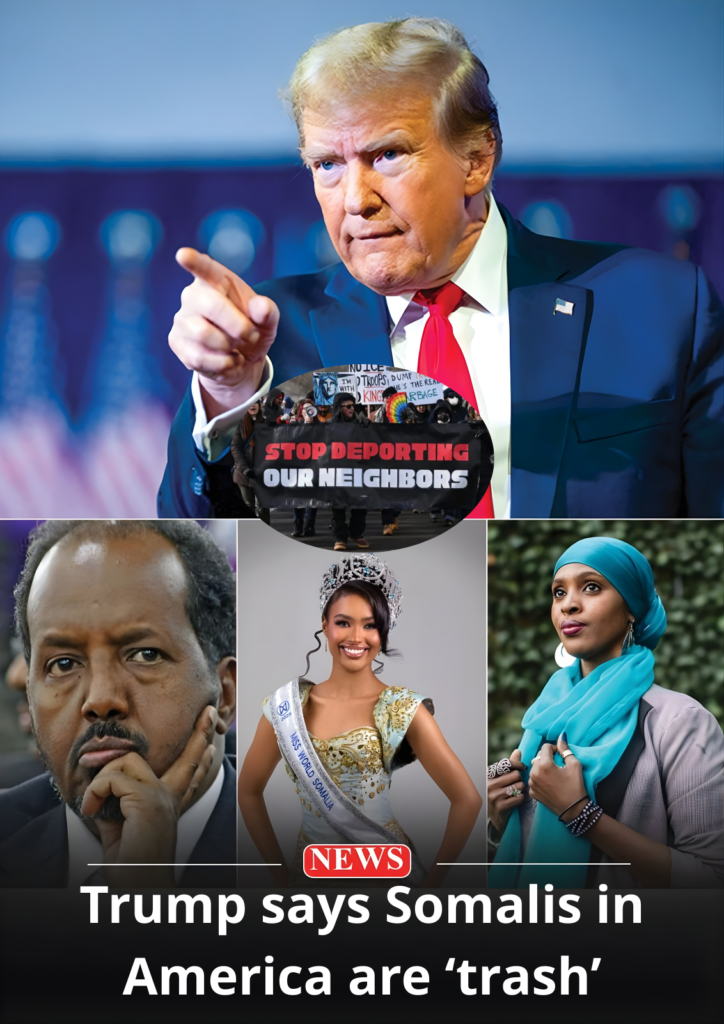
Even for someone who has long made clear his dislike of Somalia, President Donald Trump’s latest comments have shocked America’s largest Somali community.
According to the AP news agency on December 4, speaking to reporters at a cabinet meeting on December 2, President Trump said: “They don’t contribute anything. I don’t want them in our country.”
Comments on Somalis
According to the AP news agency on December 4, President Trump told reporters at a cabinet meeting on December 2: “They don’t contribute anything. I don’t want them in our country.”
On December 3, speaking to reporters at an event in the Oval Office, Mr. Trump emphasized: “The Somalis should get out of here. They’ve destroyed our country.”
Speaking to Minneapolis Mayor Jacob Frey, who has repeatedly criticized him, Mr. Trump said: “I would not be proud to have the largest Somali community in the United States.”
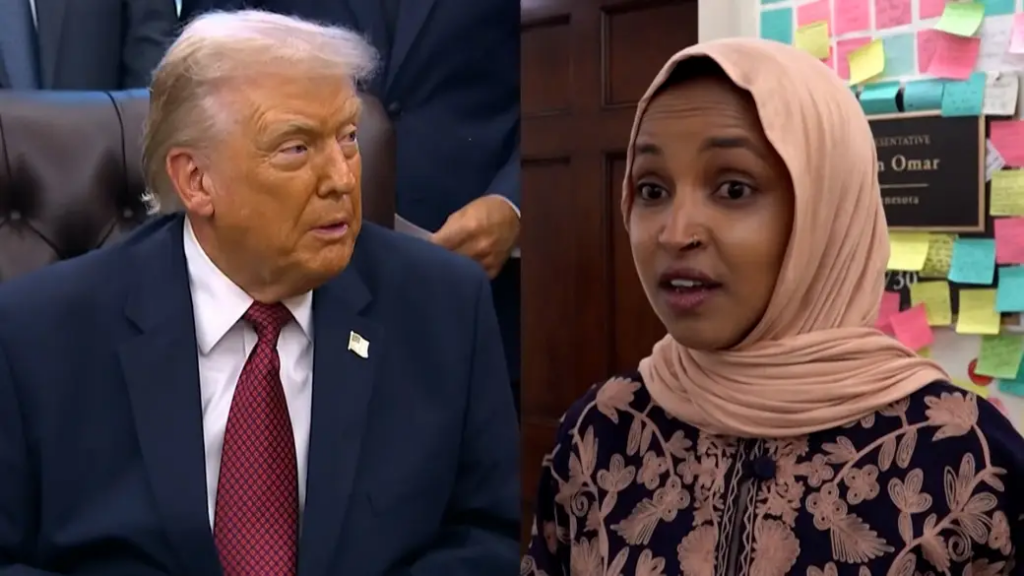
President Trump made the above comments not long after it was reported that federal agencies were preparing a targeted immigration enforcement operation in Minnesota targeting Somalis living in the United States illegally. But the majority of the state’s Somalis are U.S. citizens, many of whom were born here.
Last week, Mr. Trump called Minnesota a “fraudulent money laundering hub” after a conservative activist reported that the proceeds of the fraud had flowed to al-Shabab, an al-Qaeda affiliate that controls parts of Somalia. But there is little evidence of such a connection, and federal prosecutors have not charged any defendants with supporting terrorism.
President Trump’s recent comments also came days after the U.S. government announced it was suspending all asylum applications following a shooting that killed two National Guard soldiers in Washington. The suspect was originally from Afghanistan, but Mr. Trump has questioned immigrants from other countries, including Somalia.
Also on December 2, the U.S. government said it was suspending all immigration applications from people from 19 countries, including Somalia, that were banned from entering the United States after the National Guard shooting.
African Community in Minnesota
The Minneapolis-St. Paul area has about 84,000 Somalis, making up nearly a third of Somalis living in the United States.
“I’m not trash,” said Hamse Warfa, a Somali-born entrepreneur who lives in the Minneapolis area. Warfa has founded a series of successful businesses and now runs a national educational nonprofit called World Savvy. “I’m a proud American,” he said.
He said anti-immigration sentiment has long been a powerful political tool, as seen in the case of Haitian immigrants in Ohio whom Trump has criticized ahead of the 2024 election. “The last presidential election was Haitians and they ate cats and dogs,” Warfa said. “The next version is Somalians.”
Several Somali community leaders said on December 3 that they had received information about some community members being detained by federal agents but did not provide details.
Refugees from the East African nation have been arriving in Minnesota’s icy plains since the 1990s, drawn in part by the state’s generous social services and then by its growing diaspora.
They have become a familiar part of Minneapolis and St. Paul, opening businesses and revitalizing the economy. They have also become increasingly politically prominent, serving in the state legislature and on the Minneapolis and St. Paul city councils. Democratic Rep. Ilhan Omar now serves in the US House of Representatives.
The Somali community has also faced prejudice in recent years after dozens of people, many of them Somali, were arrested in connection with schemes to defraud social service agencies of what some officials say could be hundreds of millions of dollars. Many of the Somalis arrested are U.S. citizens.
Somali community leaders and allies like Gov. Tim Walz and Frey have pledged to protect the community. “Minneapolis is and will remain a city that protects its residents,” Frey said in a statement.
Several Democratic lawmakers and Minneapolis City Council members held a news conference on Dec. 3 to reinforce that message. They called on Republicans to condemn the president’s comments, saying history would judge them.
For Warfa, he just hopes the criticism of Somalis will subside. One of his daughters, a high school senior, is considering his next steps. “I would rather spend time with my daughter thinking about college and taking her to different colleges, than have the President of the United States say she’s trash,” he said.