$2,000 “Tax Dividend”: Trump’s New Pledge Amid Court Scrutiny 🇺🇸💵
Highlights Summary 🔎
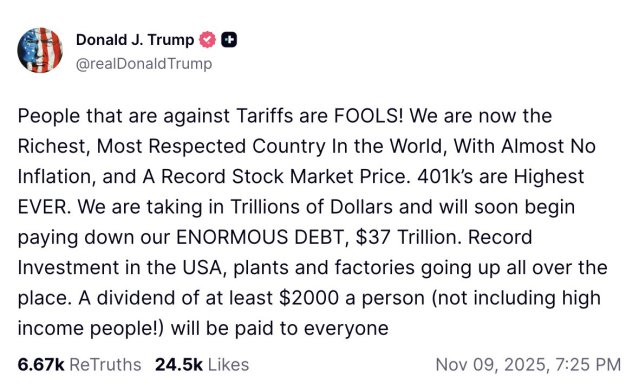
Donald Trump Pledges to Pay $2,000 “Tax Dividend” per Person, But Implementation Likely Requires Congress and a Supreme Court Ruling
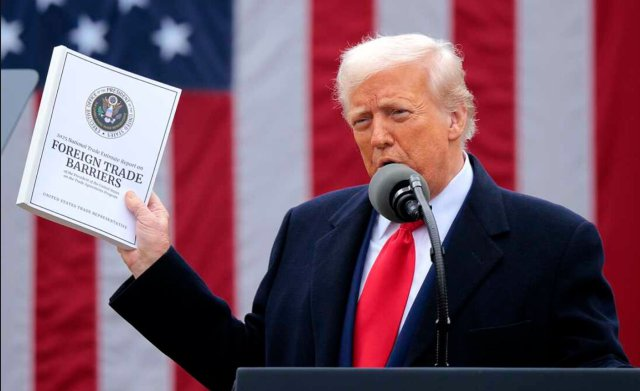
Background and authenticity 🧭
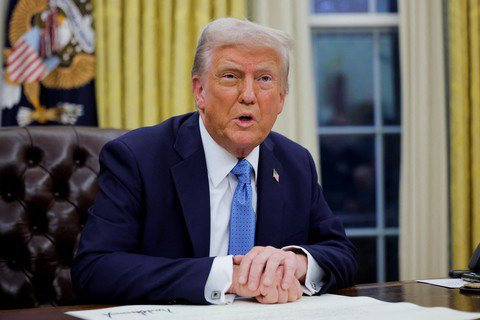
The pledge, posted on Truth Social by US President Donald Trump on November 9, asserts that the source of funding comes from tariff revenue and excludes high-income groups.
Treasury Secretary Scott Bessent said the $2,000 may “not necessarily be cash,” but could be a tax rebate or indirect incentive.
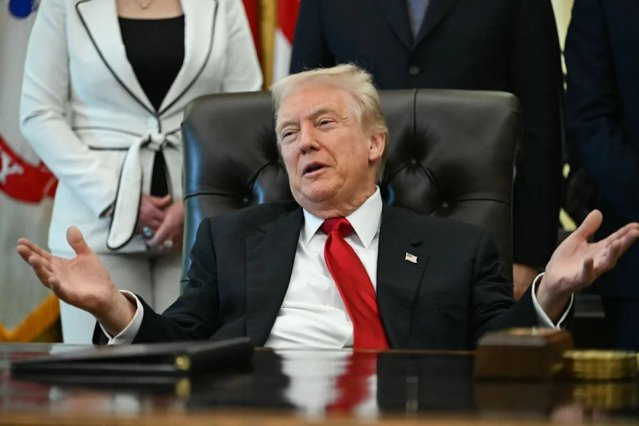
The proposal is likely to have to be approved by Congress before implementation.
Trump’s key tariff policy is being challenged in the Supreme Court, directly affecting the expected revenue for the plan.
Key developments in the timeline 🗓️
November 5: The Supreme Court holds a historic hearing on the constitutionality of the IEEPA taxes; many judges sharply question the administration’s representatives.
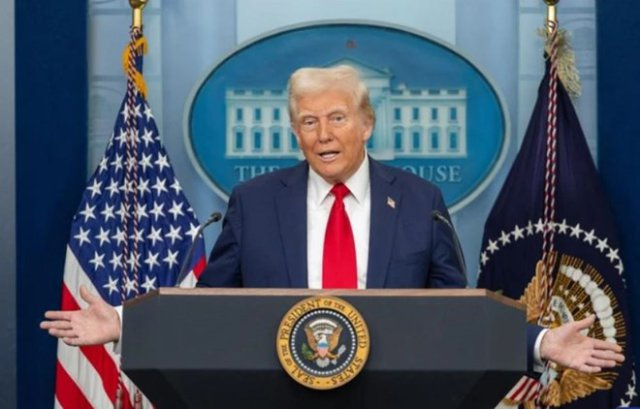
November 9: Mr. Trump announced that “everyone (except high-income groups) will receive at least $2,000”; calls tariff opponents “idiots”.
Same day: Finance Minister Scott Bessent tells ABC the plan could take many forms, no timeline yet.
As of 10 November: Independent budget analysis shows tariff revenue is currently $151 billion from April to October, significantly lower than the potential cost of paying it.
Key figures and comparisons 📊
Import duties: about $151 billion (April-October 2025); Treasury expects it could reach $500+ billion/year under an optimistic scenario.
Reference cost: $2,000/household support package during Covid was estimated at $464 billion.
Independent estimate: With an income threshold of $100,000, about 150 million adults eligible, total spending is nearly $300 billion; if children are included, the cost would be significantly higher.
Net revenue after adjusting for the fiscal impact of tariffs could be as little as $90 billion/year, much lower than the proposed $300 billion payment.
Impact and potential consequences 📌
Fiscal: If paid directly, the deficit could increase as tariff revenue is insufficient to cover costs; greater risk if the Supreme Court limits/rejects the legal basis of some of the current tariffs.
Inflation and cost of living: Tariffs increase import costs, businesses pass them on to selling prices; US consumers are currently paying an average effective tariff of nearly 18%, the highest since 1934, putting pressure on prices.
Political: The $2,000 proposal could have a positive short-term political effect, but in Congress, many Republicans do not support direct payments; the possibility of passage remains a question mark cafeland.
Key Legal Corner ⚖️
The Supreme Court dispute revolves around the use of the International Emergency Economic Powers Act (IEEPA) to impose “countervailing/anti-smuggling” tariffs. If invalidated, the government may have to refund the collected tariffs and turn to other mechanisms such as Section 301 of the Trade Act of 1974, which is complicated and has high legal risks.
Conclusion and what to watch for 🔭
The $2,000 pledge is a notable policy signal, but getting the money to people requires:
A solid legal basis after the Supreme Court ruling.
A clear budget mechanism and likely congressional approval.
Design of the target, form of payment (cash, tax rebate) and implementation timeline.
Milestones to watch: Supreme Court ruling expected before June next year; congressional actions; update on actual tariff revenue and “plan B” options if tariffs are restricted. Bottom line: The $2,000 promise raises expectations, but is now heavily dependent on the courts, Congress, and the US government’s ability to balance its fiscal books.